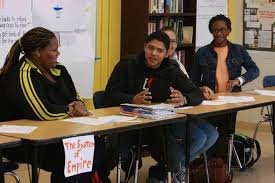
The Zinn Education Project is an educational initiative that promotes the teaching of people’s history in middle and high school classrooms across the United States. It provides teachers with free educational materials, lesson plans, classroom activities, articles, and other resources that encourage students to examine history from multiple perspectives.
The project takes inspiration from the work of historian and author Howard Zinn, particularly his influential book A People’s History of the United States. The book explores the contributions and experiences of working people, women, people of color, and social movements in American history.
The Zinn Education Project was founded in 2008 and is coordinated by two nonprofit organizations, Rethinking Schools and Teaching for Change. Its central goal is to help educators introduce students to historical narratives that may receive limited attention in traditional textbooks. Teaching for Change+1
The project encourages students to investigate historical events, examine different viewpoints, ask questions, and understand how ordinary people have influenced social and political change.
Who Founded the Zinn Education Project?
The Zinn Education Project was established in 2008 by historian Howard Zinn and his former student William Holtzman. It was created to support teachers who wanted to introduce a broader approach to American history education.
The project is named after Howard Zinn, a historian, professor, and author best known for writing A People’s History of the United States. His work highlighted the experiences of groups that were often overlooked in conventional historical accounts.
The initiative is coordinated by two nonprofit educational organizations:
| Organization | Role |
|---|---|
| Rethinking Schools | Supports educational resources, publications, and teaching initiatives |
| Teaching for Change | Develops educational resources and supports educators working toward social justice and inclusive education |
Together, these organizations help maintain the project’s teaching materials, educational campaigns, and professional learning opportunities. Teaching for Change+1
Main Goals of the Zinn Education Project
The Zinn Education Project aims to make history education more engaging, thoughtful, and inclusive. It encourages teachers to go beyond memorizing dates and historical figures by helping students investigate the experiences of different communities.
Some of its major goals include:
- Teaching people’s history: Highlighting the contributions of workers, women, Indigenous communities, people of color, and social movements.
- Encouraging critical thinking: Helping students examine historical sources, arguments, evidence, and interpretations.
- Expanding historical perspectives: Introducing students to stories that may receive less attention in standard textbooks.
- Supporting teachers: Providing lesson plans, classroom activities, and professional development opportunities.
- Connecting history with the present: Encouraging students to understand how historical events relate to current social and political issues.
- Promoting classroom discussion: Creating opportunities for students to ask questions, debate ideas, and consider different viewpoints.
These goals make the project relevant to educators who want to develop discussion-based and inquiry-based history lessons.
Zinn Education Project Teaching Materials and Resources
One of the most useful features of the Zinn Education Project is its collection of free teaching materials. Teachers can explore resources designed for different grade levels, historical periods, and classroom subjects.
The online collection includes lesson plans, teaching activities, articles, essays, interviews, books, films, audio resources, posters, and other educational materials. teachinghistory.org+1
| Resource type | How teachers can use it |
|---|---|
| Lesson plans | Organize classroom instruction around historical topics |
| Teaching activities | Encourage student participation and discussion |
| Articles and essays | Provide additional historical information |
| Interviews | Introduce personal experiences and historical perspectives |
| Films and videos | Support visual learning and classroom analysis |
| Books | Provide extended reading and research opportunities |
| Posters | Present historical themes visually |
| Audio resources | Introduce speeches, music, and historical recordings |
| Bilingual resources | Support learning through Spanish and English materials |
Lesson Plans
Lesson plans are a central part of the Zinn Education Project. They help teachers organize classroom activities around historical events, people, movements, and social issues.
A lesson may include background information, discussion questions, reading materials, group activities, and assignments. Teachers can adapt these resources according to their students’ ages, reading abilities, and curriculum requirements.
Classroom Activities
Classroom activities encourage students to participate rather than simply listen to lectures. They may involve debates, role-playing exercises, group discussions, document analysis, and creative assignments.
These activities can help students develop communication, research, and analytical skills while learning about historical events.
Books, Films, and Articles
The project also provides recommendations and descriptions of books, films, and other educational materials. These resources can help teachers introduce different historical interpretations and provide students with additional reading or viewing opportunities.
Spanish and Bilingual Resources
Some resources are available in Spanish or bilingual formats. These materials can be helpful for educators working with multilingual classrooms and students who benefit from learning in more than one language.
Major Topics Covered by the Zinn Education Project
The Zinn Education Project covers a broad range of subjects connected with American history and social studies. Teachers can search for resources based on historical periods, themes, reading levels, and resource formats.
American History
American history is one of the central areas of the project. Students can explore the founding of the United States, colonial history, independence, constitutional development, industrialization, and major political changes.
Lessons encourage students to investigate how different communities experienced historical events and contributed to the development of the country.
Civil Rights Movement
The Civil Rights Movement is another important topic. Students can learn about individuals, organizations, protests, and community efforts that challenged racial segregation and discrimination.
Classroom materials may explore the contributions of activists, students, workers, and local communities in the struggle for civil rights.
Women’s History
Women’s history resources highlight the experiences and achievements of women throughout different periods of American history.
Students can study women’s participation in labor movements, education, political activism, voting rights campaigns, and other social changes.
Labor History
Labor history examines the experiences of workers and the development of organized labor movements. Lessons may cover working conditions, strikes, industrial development, labor rights, and the role of unions.
These topics help students understand how workplace policies and labor movements have influenced American society.
Indigenous History
Indigenous history resources introduce students to Native American communities, colonial expansion, land rights, cultural traditions, and resistance movements.
These lessons can help students examine historical events from Indigenous perspectives and understand the long-term effects of government policies and settlement.
Immigration History
Immigration resources explore the experiences of people who moved to the United States from different parts of the world. Students can study migration patterns, cultural contributions, immigration laws, discrimination, and community development.
Environmental and Climate Justice
The project also includes resources related to environmental issues and climate justice. These materials encourage students to examine the relationship between environmental conditions, public policy, economic activity, and communities.
How to Use the Zinn Education Project Website
The Zinn Education Project website is designed to help educators find resources according to their classroom requirements. Teachers can browse materials by topic, historical period, reading level, or resource type.
The following steps provide a simple way to use the platform:
- Visit the website: Open the official Zinn Education Project website.
- Explore teaching materials: Find the section containing lesson plans, articles, and educational resources.
- Select a historical topic: Choose a subject such as American history, labor movements, women’s rights, or civil rights.
- Filter the resources: Narrow the results according to grade level, historical period, theme, or material type.
- Review the lesson: Read the instructions, objectives, background information, and suggested activities.
- Download available materials: Follow the website’s instructions for accessing downloadable teaching resources.
- Adapt the lesson: Adjust the activity to suit classroom needs and the students’ learning levels.
Some downloadable materials may require free registration. Teachers should check the individual resource page for access instructions.
Benefits of the Zinn Education Project for Teachers
Teachers often need reliable materials to make history lessons more engaging and relevant. The Zinn Education Project provides resources that can support classroom planning and encourage deeper discussions about historical events.
Saves Lesson Planning Time
Ready-made lesson plans and classroom activities can reduce the time teachers spend preparing educational materials. Educators can review the available resources and adapt suitable activities for their classrooms.
Encourages Student Participation
Discussion-based lessons, group assignments, and role-playing activities encourage students to participate actively. This can make history lessons more interactive than relying exclusively on textbooks and lectures.
Supports Critical Thinking
Students are encouraged to examine historical documents, compare interpretations, ask questions, and evaluate evidence. These activities can strengthen their analytical abilities.
Introduces Different Perspectives
The resources emphasize the experiences of groups that may be underrepresented in conventional historical narratives. This can help teachers broaden classroom discussions and encourage students to consider multiple perspectives.
Provides Free Educational Resources
The project makes many teaching materials available without a purchase fee, making them accessible to educators who need additional classroom resources.
Supports Professional Learning
The initiative also offers opportunities for educators to participate in online classes, workshops, study groups, and other professional learning activities. Teaching for Black Lives+1
Zinn Education Project and Howard Zinn’s A People’s History of the United States
Understanding the connection between the Zinn Education Project and Howard Zinn’s book A People’s History of the United States helps explain the project’s educational approach.
Published in 1980, the book presents American history through the experiences of ordinary people and communities. It examines subjects such as colonization, slavery, labor movements, political conflict, civil rights, and social change.
The Zinn Education Project builds on this approach by providing classroom resources that encourage teachers to explore history beyond the traditional focus on presidents, military leaders, and major political events.
The project does not simply ask students to memorize historical information. It encourages them to examine who participated in historical events, whose experiences were recorded, and how different interpretations can shape our understanding of the past.
However, students should also consult primary sources, additional historical scholarship, and different interpretations. Comparing perspectives helps learners develop a more balanced and evidence-based understanding of history.
Zinn Education Project for Middle and High School Students
The Zinn Education Project primarily supports middle and high school history education. Its materials can help teachers introduce complex historical subjects in ways that encourage age-appropriate discussion and investigation.
For middle school students, educators may select shorter readings, introductory activities, timelines, and group discussions.
For high school students, teachers may use more advanced readings, historical documents, debates, research assignments, and analytical writing activities.
| Grade level | Possible classroom applications |
|---|---|
| Middle school | Historical timelines, introductory readings, group activities |
| Grades 9–10 | Source analysis, historical discussions, research projects |
| Grades 11–12 | Advanced historical interpretation, debates, essays, and document analysis |
Teachers should review the reading level and learning objectives of each resource before using it. Some materials may need adaptation to meet local curriculum standards or student needs.
Zinn Education Project Campaigns and Educational Initiatives
In addition to classroom resources, the Zinn Education Project supports campaigns that encourage teachers to address important historical and social topics.
Examples include initiatives focused on teaching Reconstruction, climate justice, and Black history. The project also participates in broader efforts to support educators who want to teach historical subjects openly and thoughtfully. Teaching for Black Lives+1
Teach Reconstruction
This initiative encourages teachers to give students a deeper understanding of the Reconstruction era following the American Civil War.
Students can examine the end of slavery, constitutional amendments, Black political participation, struggles for equality, and the resistance that shaped the period.
Teach Climate Justice
The Teach Climate Justice initiative provides educational resources that connect environmental issues with history, economics, public policy, and community experiences.
These materials can help teachers introduce climate-related topics through historical research and classroom discussion.
Teaching for Black Lives
Teaching for Black Lives is a campaign coordinated by Teaching for Change and Rethinking Schools. It supports educators who want to explore Black history, racial justice, and the experiences of Black communities through classroom learning.
Its resources include lessons, study groups, workshops, and other educational opportunities. Teaching for Black Lives
Is the Zinn Education Project Free?
Many Zinn Education Project teaching resources are available free of charge. Teachers can explore the website, search for lessons, and access a range of educational materials without purchasing a subscription.
Some downloadable materials may require users to register for a free account. The platform also offers educational events and professional development opportunities, so users should review individual program details to understand any specific registration requirements.
| Feature | General availability |
|---|---|
| Teaching resources | Many are free |
| Lesson plans | Free resources available |
| Classroom activities | Free resources available |
| Articles and essays | Available online |
| Downloadable materials | Some require free registration |
| Professional development | Opportunities vary |
| Online educational resources | Available through the project website |
Free access makes the project a useful starting point for teachers looking to expand their classroom materials.
Limitations and Considerations When Using Zinn Education Project Resources
The Zinn Education Project offers useful educational materials, but teachers should evaluate resources carefully before including them in a curriculum.
The project’s approach is influenced by Howard Zinn’s interpretation of American history, which places particular emphasis on working people, marginalized communities, and social movements. This perspective can introduce important subjects that students might otherwise overlook, but it should not be treated as the only interpretation of historical events.
Educators can strengthen classroom learning by:
- Comparing materials with other history textbooks and academic publications.
- Reviewing primary sources such as letters, speeches, laws, and historical records.
- Discussing different interpretations of the same historical event.
- Encouraging students to distinguish evidence from opinion.
- Checking whether lesson content meets local educational standards.
- Adapting activities to students’ age groups and reading levels.
Using multiple sources helps students develop independent judgment and understand the complexity of historical research.
Why Is the Zinn Education Project Important in Modern Education?
History education plays an important role in helping students understand society, political institutions, culture, and social change. However, students can develop an incomplete understanding of the past when classroom instruction focuses on only a limited number of people or events.
The Zinn Education Project attempts to address this challenge by encouraging educators to include a wider range of historical experiences. Its teaching materials can help students explore the contributions of workers, women, Indigenous communities, immigrants, and social movements.
The project also encourages students to connect historical developments with questions about citizenship, equality, democracy, and public participation.
In modern education, these learning activities can support research skills, thoughtful discussion, historical awareness, and the ability to evaluate information from different sources.
Conclusion
The Zinn Education Project is an educational initiative that supports the teaching of people’s history in middle and high school classrooms across the United States. Coordinated by Rethinking Schools and Teaching for Change, it provides teachers with lesson plans, classroom activities, articles, books, films, and other educational resources inspired by the work of Howard Zinn.
Its materials cover American history, civil rights, labor movements, women’s history, Indigenous history, immigration, and other important subjects. Teachers can use these resources to introduce additional historical perspectives, encourage classroom participation, and develop students’ critical-thinking skills.
Although the project’s approach should be considered alongside other historical sources and interpretations, it can serve as a valuable resource for educators who want to expand their history curriculum and create more engaging learning experiences.
Frequently Asked Questions About Zinn Education Project
What Is the Main Purpose of the Zinn Education Project?
The main purpose of the Zinn Education Project is to support the teaching of people’s history in middle and high school classrooms. It provides educators with lesson plans, classroom activities, articles, and other resources that highlight the experiences of working people, women, people of color, and organized social movements. The project encourages students to examine historical events from different perspectives, evaluate evidence, and understand how ordinary people have influenced American history and society.
Who Founded the Zinn Education Project?
The Zinn Education Project was founded in 2008 by historian Howard Zinn and his former student William Holtzman. It is coordinated by two nonprofit organizations, Rethinking Schools and Teaching for Change. The project takes inspiration from Howard Zinn’s book A People’s History of the United States and promotes teaching approaches that include the experiences of communities often given less attention in traditional historical narratives.
Are Zinn Education Project Resources Free?
Yes, many resources offered through the Zinn Education Project are available free of charge. Teachers can explore lesson plans, classroom activities, articles, and other educational materials through its website. Some downloadable resources may require free registration. The platform also provides information about professional development activities, online classes, and teacher study groups, although individual opportunities may have their own participation requirements.
What Grade Levels Does the Zinn Education Project Support?
The Zinn Education Project primarily focuses on middle and high school classrooms. Its teaching materials cover different reading levels and historical topics, allowing educators to select resources according to their students’ needs. Teachers may use introductory activities for younger learners and more detailed historical readings, debates, research projects, and document analysis for older students. Individual lesson descriptions should be reviewed before classroom use.
How Can Teachers Use the Zinn Education Project in the Classroom?
Teachers can use Zinn Education Project materials to develop lessons about American history, civil rights, labor movements, women’s history, immigration, Indigenous communities, and other subjects. They can select a lesson plan, review its learning objectives, download available materials, and adapt the activities to their classroom requirements. Combining these resources with primary documents, other textbooks, and different historical interpretations can help students develop a broader and more balanced understanding of the past.
Pingback: Pfiedler Education: Nursing CEUs, Online Courses, and Professional Development - Study to Skill