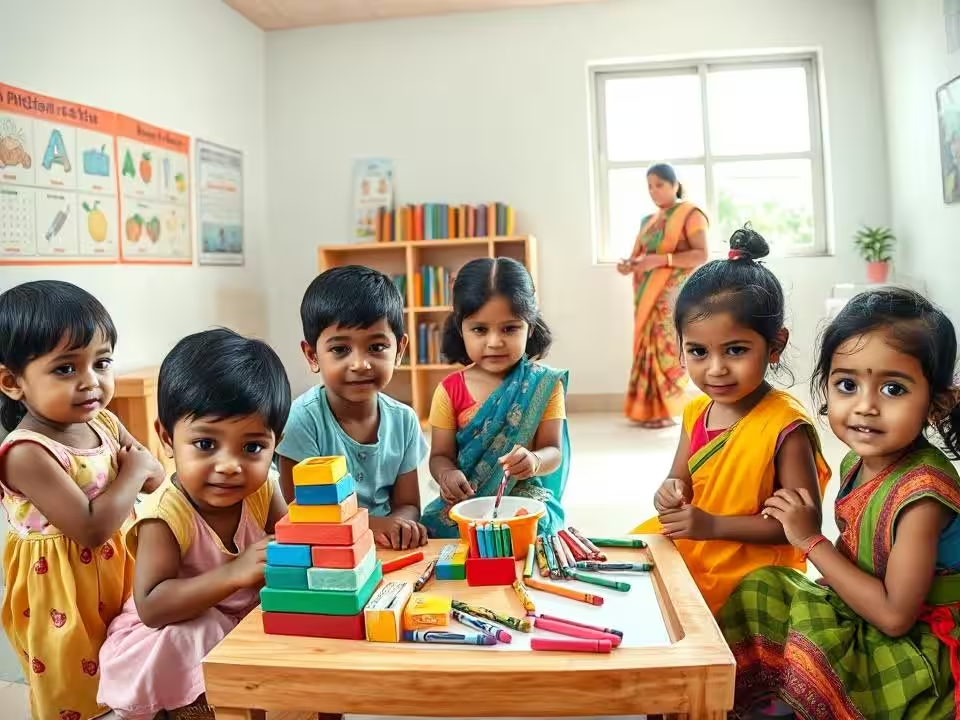
Following early childhood education news helps families and education professionals understand changes that may affect children’s learning environments.
For Parents
Parents can learn about preschool admission policies, childcare programs, government support, safety standards, and new educational approaches. Staying informed can help families make better decisions when selecting an early learning center.
For Teachers
Teachers can discover new teaching strategies, professional development opportunities, curriculum updates, and training initiatives. This knowledge can help them improve classroom activities and support different learning needs.
For Preschool Owners
Preschool administrators can follow changes in education regulations, infrastructure requirements, curriculum standards, and educator training. Understanding these developments can help institutions improve their services.
For Education Students
Students studying early childhood education can explore emerging career opportunities, research developments, government initiatives, and new teaching methods.
Early Childhood Educator Training and Professional Development
The quality of early childhood education depends significantly on the knowledge and skills of educators. Teachers and childcare workers need to understand child development, classroom management, communication, health, safety, and age-appropriate teaching methods.
Professional development programs may include:
| Training Area | Main Focus |
|---|---|
| Child Development | Understanding physical, social, and emotional growth |
| Early Literacy | Supporting reading and language development |
| Classroom Management | Creating positive learning environments |
| Play-Based Teaching | Using activities and games for learning |
| Inclusive Education | Supporting children with different learning needs |
| Child Safety | Understanding health and safeguarding practices |
| Parent Communication | Building relationships with families |
| Digital Learning | Using appropriate educational technology |
Regular training can help educators respond to children’s needs and apply updated educational practices.
Challenges Facing the Early Childhood Education Sector
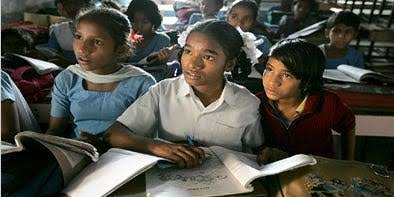
Despite growing awareness and investment, early childhood education continues to face several challenges.
1. Limited Access to Quality Preschool Education
Children in rural, remote, and economically disadvantaged communities may have fewer opportunities to access quality early learning services.
2. Shortage of Trained Educators
Some childcare centers and preschools experience difficulties recruiting and retaining qualified educators. Professional training and better working conditions are important for building a stable workforce.
3. Infrastructure and Learning Resources
Safe classrooms, clean drinking water, age-appropriate materials, outdoor spaces, and suitable facilities are essential for children’s development. Not every early learning center has access to all these resources.
4. Affordability of Childcare
The cost of preschool and childcare can create financial pressure for families. Government assistance and affordable early learning programs can help improve access.
5. Inclusive Learning Support
Children have different developmental needs and learning abilities. Educational institutions need suitable resources, trained staff, and supportive environments to provide inclusive learning opportunities.
6. Balancing Technology and Traditional Learning
Digital tools can support teaching, but excessive screen-based learning may reduce opportunities for physical activity and personal interaction. Educators need a balanced approach.
Early Childhood Education News Around the World
Countries are approaching early childhood education through different policies and funding programs. Recent international developments show a growing focus on affordable preschool access, educator support, and improved learning quality.
For example, the Australian Government’s Preschool Reform Agreement has been extended through the end of 2027. It aims to support at least 600 hours of quality preschool education for children in the year before full-time school and improve participation and learning outcomes. <Cite refs={[“turn895932search5”]}/>
In New South Wales, Australia, new preschool funding guidelines announced in October 2026 aim to create more than 10,000 additional community preschool places. The reforms also include support for educator pay and increased assistance for children with additional needs. <Cite refs={[“turn895932search2”]}/>
These developments demonstrate how governments are working to improve access, affordability, and quality in early learning services.
The Future of Early Childhood Education
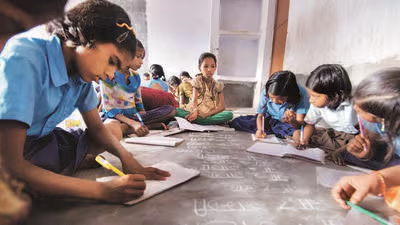
The future of early childhood education will likely involve a stronger focus on holistic development, inclusive teaching, educator training, and collaboration between families and schools.
Several areas may continue to shape the sector:
- Stronger foundational learning: More attention to language, early mathematics, communication, and problem-solving.
- Better educator preparation: Increased emphasis on professional training and practical teaching skills.
- Inclusive classrooms: More support for children with different abilities and developmental needs.
- Technology integration: Responsible use of digital resources to support educators and families.
- Affordable preschool access: Continued efforts to make early learning available to more children.
- Improved child safety: Greater attention to safeguarding, health, nutrition, and safe learning environments.
- Family engagement: Stronger partnerships between parents, childcare providers, and educators.
These priorities can help create learning environments where children feel safe, supported, and encouraged to explore the world around them.
How to Stay Updated With Early Childhood Education News
Parents, teachers, students, and childcare professionals can follow several sources to stay informed about developments in early education.
- Government education ministry announcements.
- Official early childhood education policy updates.
- Preschool and childcare regulatory authorities.
- University and education research publications.
- Child development organizations.
- Education conferences and professional events.
- Reputable education news publications.
Readers in India can follow updates from the Ministry of Education, Ministry of Women and Child Development, and relevant state education departments.
It is important to check the publication date and original government or institutional announcement before relying on a news report. This is especially important when reading about admission rules, funding, curriculum changes, or safety requirements.
Conclusion
Early childhood education news highlights important changes in preschool learning, childcare services, government policies, educator training, and child development. Developments in India, including improvements to Anganwadi Centres and initiatives under the National Education Policy 2020, demonstrate the growing focus on foundational learning.
International developments also show increasing attention to affordable preschool access, workforce support, inclusive education, and the responsible use of technology.
For parents, teachers, students, and preschool administrators, staying informed about these changes can support better educational decisions. As the sector continues to evolve, quality early childhood education will remain an important foundation for children’s learning, well-being, and future development.
Frequently Asked Questions About Early Childhood Education News
1. What is early childhood education news?
Early childhood education news covers recent developments related to preschool education, childcare, child development, educational policies, teacher training, curriculum updates, and government initiatives for young children.
2. What are the latest early childhood education developments in India in 2026?
Important developments include the upgrading of Anganwadi Centres under Saksham Anganwadi and Poshan 2.0, training for Anganwadi workers, improvements in play-based learning, and stronger coordination between preschool services and primary schools.
3. Why is early childhood education important?
Early childhood education supports children’s cognitive, physical, social, emotional, and language development. It helps build foundational skills and prepares children for formal schooling and lifelong learning.
4. What are the major trends in early childhood education?
Major trends include play-based learning, inclusive classrooms, social and emotional learning, family engagement, technology-supported teaching, educator development, and improved access to affordable preschool programs.
5. Where can I find reliable early childhood education news?
Reliable updates are available through government education departments, early childhood development organizations, official policy announcements, universities, research publications, and established education news platforms.
Read More : Fusion Education Group: Schools, Personalized Learning .
Pingback: C2 Education: Programs, Tutoring Services, Test Preparation, and Academic Support - Study to Skill